

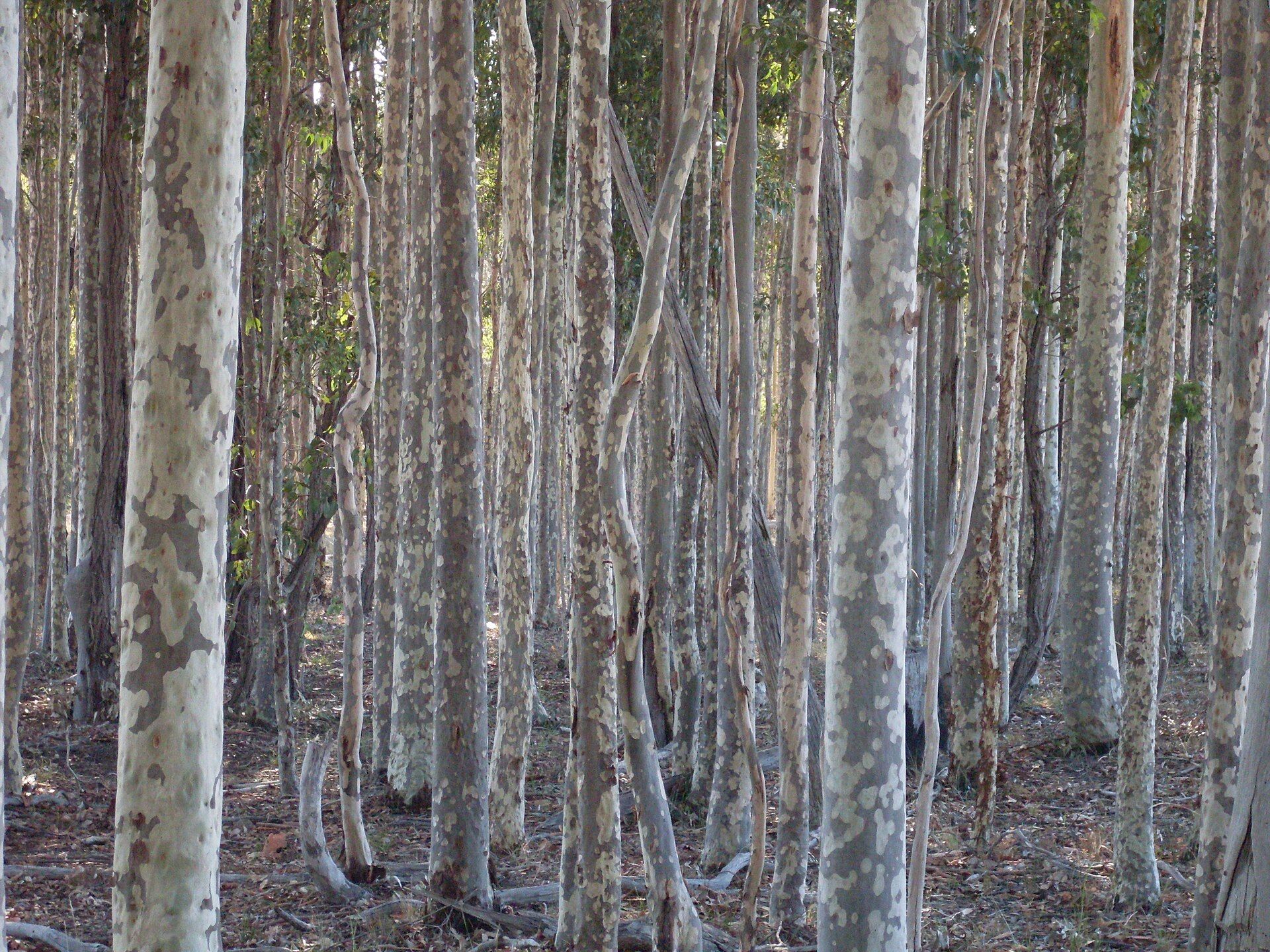
Used well is the key. Here are practical ways to make the timber in your home work harder for the environment.
1. Look for Certified Timber
Certification schemes track timber from the forest to the timber yard. In Australia, look for the Responsible Wood (PEFC) or FSC labels, which show the timber comes from forests managed to independent standards. Australian law also requires importers to check that imported timber hasn't been illegally logged, so it's always worth asking where your timber comes from.
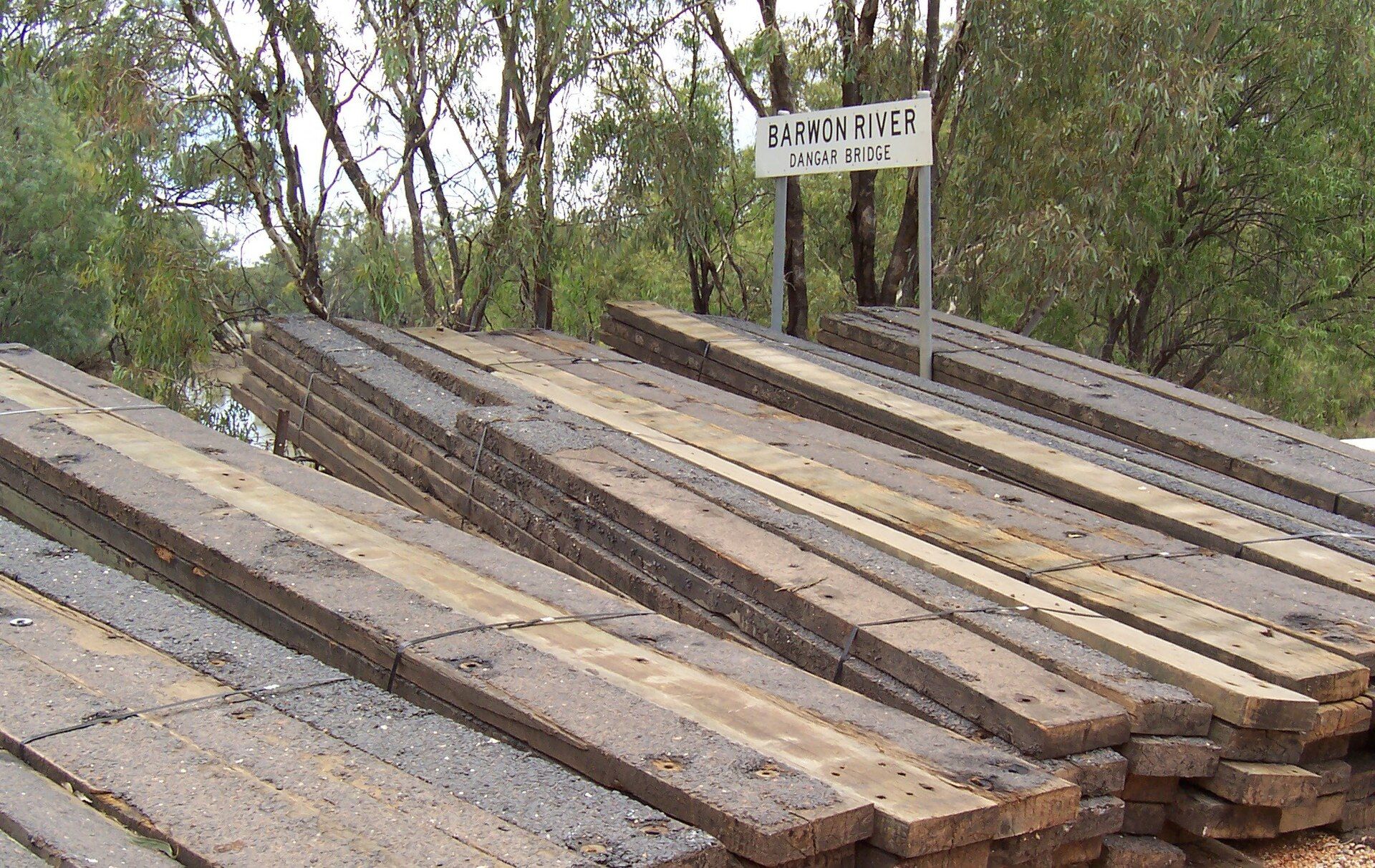
2. Consider Recycled Hardwood
Old bridges, wharves, woolsheds and homes are a source of beautiful, seasoned hardwood. Recycled timber gives old material a second life, often with a character and depth of colour that new timber can't match. It needs careful checking for nails, rot and structural soundness, and it's well suited to feature work, benchtops, shelving and flooring.
3. Choose Plantation Timber Where It Fits
Plantation-grown pine is a renewable resource that takes pressure off native forests. It's well suited to framing, painted joinery and many internal uses.
4. Build It to Last
The most sustainable deck, wardrobe or kitchen is the one that doesn't need replacing in ten years. Good design, the right timber for the job, sound joinery and proper protection from the weather all add up to a longer life, less waste and better value.
5. Look After It
Regular oiling of decks and outdoor structures, keeping timber clear of soil and pooling water, and fixing small issues early can add years to the life of your timber.